Caroline Flack’s mother, Christine, has spent the past five years seeking the truth behind her daughter’s tragic death — uncovering a distressing story of systemic failures, misleading narratives, and missed opportunities that might have changed everything.
The former Love Island presenter, aged 40, died by suicide in February 2020 after being told prosecutors would move forward with an assault case, even though her boyfriend, Lewis Burton, had chosen not to press charges. A new Disney+ documentary now sheds fresh light on the events, revealing serious errors by both the police and the Crown Prosecution Service (CPS) that left Caroline feeling “trapped and helpless.”
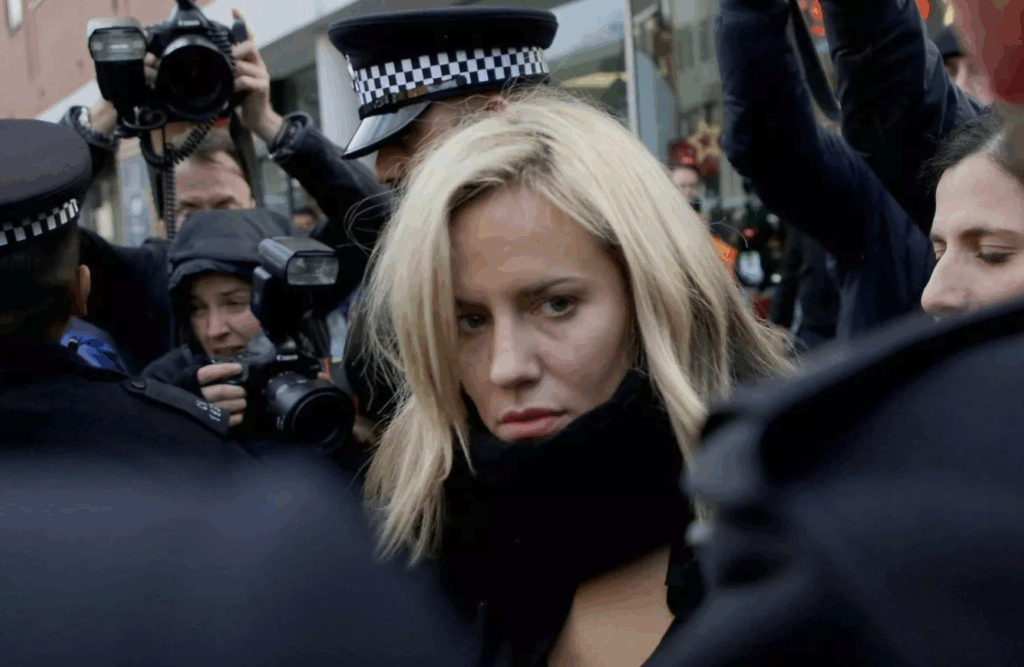
Christine Flack says the CPS initially ruled the case wasn’t in the public interest, noting there was no history of domestic violence, no serious injury, and Lewis Burton didn’t support the allegation. But a Detective Inspector overruled that decision, pushing the case to trial. “They were determined to pursue it no matter what,” Christine recalled. “Caroline saw that and felt trapped — she couldn’t see a way out.”
The night it all changed
On December 12, 2019, Caroline and Lewis returned home after separate nights out. “They came in laughing and joking,” Christine said. But when Lewis fell asleep, his phone rang. Caroline picked it up and saw messages from another woman.
Her lawyer, Paul Morris, explained that when she confronted him, “She was upset, trying to wake him, still holding the phone. It was a firm gesture, not violence.” Lewis, half-asleep with a small cut, called 999 after Caroline panicked, shouting, “If you call the police, I’m done.”
Bodycam footage later showed Lewis wasn’t sure what Caroline had struck him with — first saying a “lamp,” then “a fan,” before admitting, “I don’t know.” Police collected only the phone as evidence. Yet prosecutors wrongly claimed a lamp caused the injury, describing the scene as “like a horror movie.” Christine says this false narrative — the so-called “lamp myth” — became a turning point that changed everything.
A cry for help ignored
Caroline’s mental health rapidly worsened. Despite her agent and legal team sending the CPS a psychiatric report declaring she was unfit for trial, it was disregarded. “You’re screaming into a void and no one is listening,” her agent Louisa Booth later said.
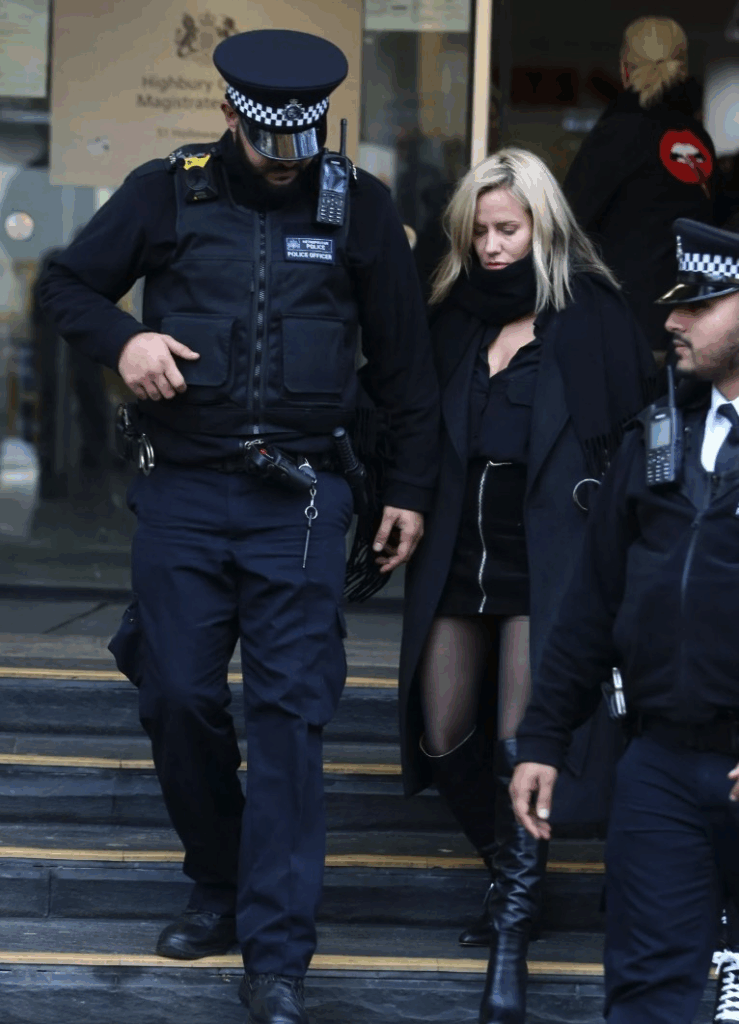
The night before her first court appearance, Caroline overdosed on pills and emptied her minibar in despair. The following morning, she arrived at court having slept for just an hour, visibly shattered.
In private video diaries filmed after her arrest, she revealed the toll of the public scrutiny: “I was promised this wouldn’t go further. Five minutes after leaving the station, it was in the press. I’ve lost my job, my home, and I’m getting so much abuse. I’ve never hurt anyone — the only person I ever hurt is myself.”

Her Final Days
By early 2020, Caroline was trying to piece her life back together — walking her dog Ruby, staying sober, and spending quiet time with her twin sister and mother. But on February 13, everything changed again. She was told the case would indeed go to trial. She messaged a friend in despair: “They won’t drop it. My life is over. The bodycam. My head is throbbing.”
Two days later, Caroline was gone. Her sister found her at home, with Ruby beside her, barking in distress. In her final note, she had written a simple plea:
“Please let this court case be dropped, and let Lewis and I find harmony.”
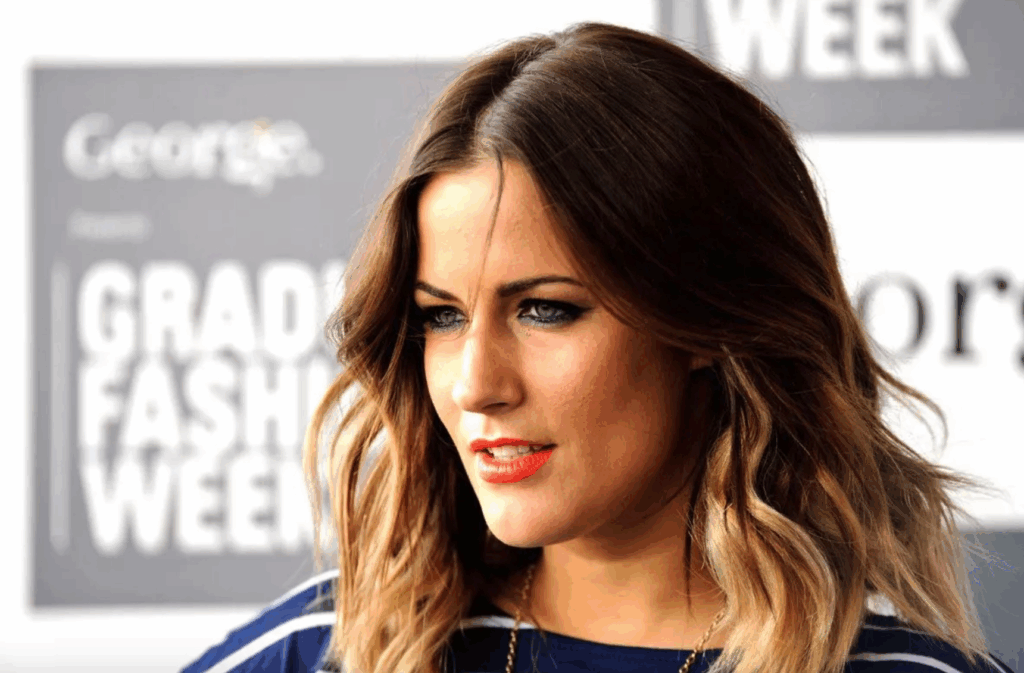
Former CPS chief Nazir Afzal, after reviewing Christine’s evidence, stated bluntly: “I can’t see any justification for the case to have gone ahead. At most, a caution should have been issued. Caroline would still be with us if different decisions had been made.”
Christine continues her fight — not only to protect her daughter’s memory, but also to prevent others from suffering the same failings of the system.