What began as an ordinary Thursday on The One Show quickly turned into anything but. The familiar green sofa, the warm applause, the usual slide from baking chatter to charity updates — all of it felt routine. Until 7:18 p.m. on November 5, 2025, when the night veered sharply off script.
Joanna Lumley, 79, poised in deep midnight velvet, was meant to chat serenely about her latest wildlife project. Beside her sat Rylan Clark, 37, radiant in a gleaming metallic jacket, ready to guide the segment with his trademark charm. But what unfolded next was neither planned nor permitted — a moment no producer could have predicted.
In this retelling, the conversation erupted into something raw, emotional, and entirely unscripted. A sudden clash of experience and emotion, of loss and pent-up fire, left the studio frozen and viewers across the country breathless. It became one of the most unfiltered moments the show had ever seen — a brief, blazing flash of truth that silenced the room and moved a nation.
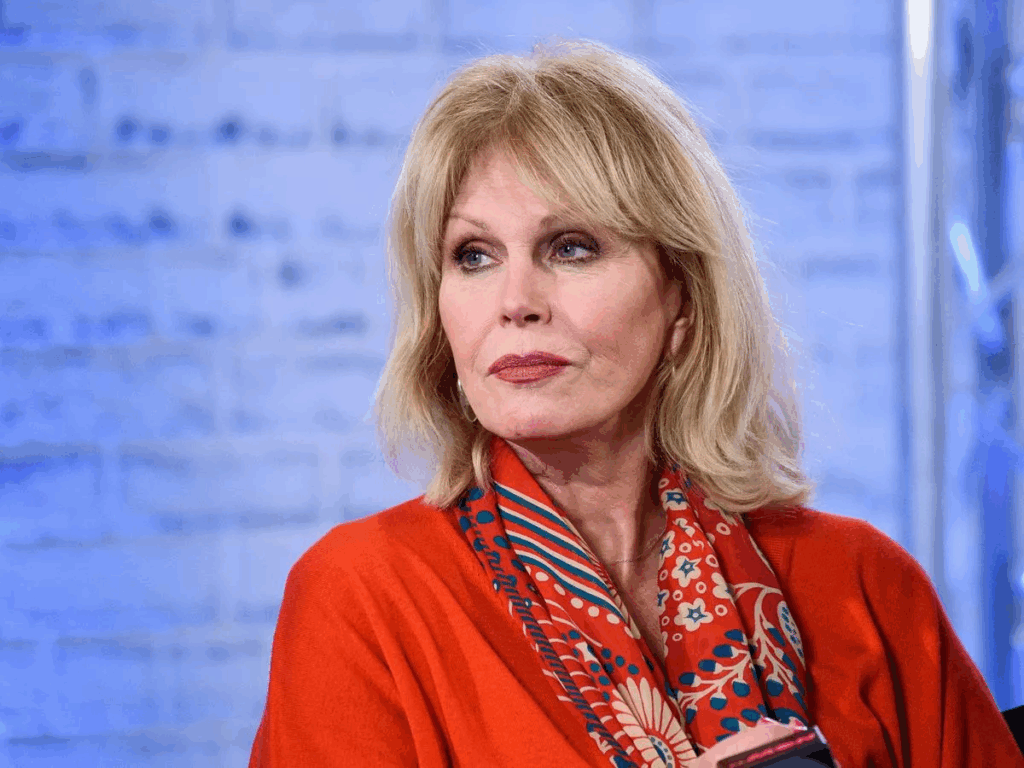
The spark came from something deceptively ordinary: a short VT about the government’s newest environmental rollback. Grainy shots of submerged villages, bleached reefs, and a minister shrugging on the steps of Downing Street rolled by — the kind of quietly devastating footage that usually comes and goes without protest. The clip ended. The floor manager signaled for the usual applause.
But Joanna didn’t clap.
Instead, she leaned forward, her tone calm but cutting through the studio like glass.
“We can’t keep pretending this isn’t happening,” she said, staring straight down the lens, as if locking eyes with every household watching. “I’ve held polar bears while the ice literally vanished under them. I’ve seen families in Bangladesh watch the ocean swallow everything they own. And we sit here, smiling politely, acting like a neat little soundbite will save us. It won’t. Not if we stay quiet. That silence makes us part of the problem.”
The room tightened. The lights suddenly felt harsh, intrusive. Alex Jones inhaled, ready to guide the show back to safety — but Rylan moved first.
He said nothing at first. He just gripped Joanna’s hand, his knuckles pale, and when he finally found his words, they cracked open like something long held back.
“Someone had to say it,” he murmured, tears already falling. “Even if people hate us for it. My nan lost her home in the floods two years ago. She’s 82. All she’s got left is a caravan and some old photos. And every time a minister trots out ‘net zero by 2050,’ it makes me want to shout. Because 2050 won’t save her. It won’t save anyone who’s already losing everything.”
The studio reacted with a sharp, involuntary gasp — the kind that comes when truth suddenly hits too close to home.
No one moved. Not for half a minute. Then Joanna turned to Rylan, held his face gently, and spoke with a fierce, steady tenderness.
“My darling boy,” she said. “You’re not standing alone in this. None of us are. But keeping quiet? That’s the real betrayal.”
Meanwhile, in the control room, chaos: blinking alarms, frozen producers, a director who should have cut to commercial but didn’t. The shot stayed live — raw, unedited, and to some, utterly unforgivable.
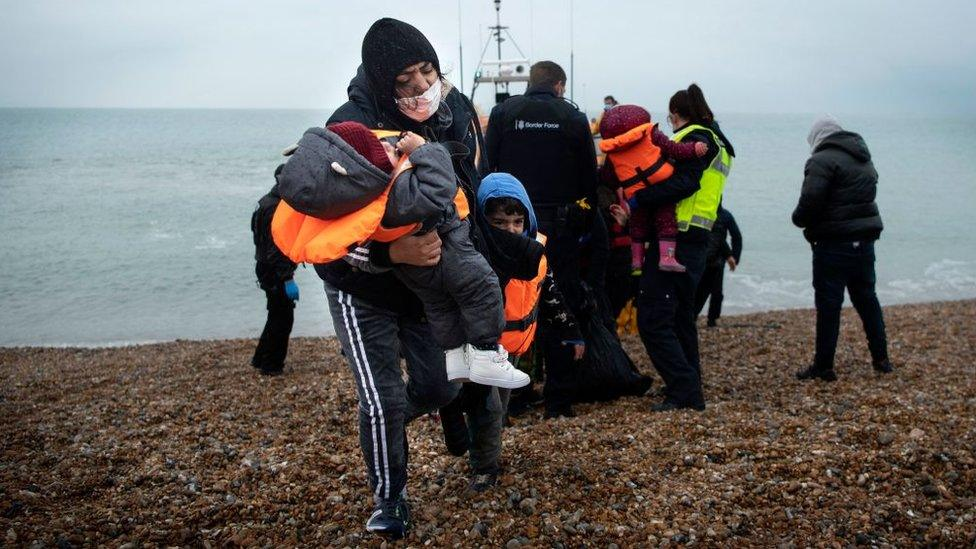
Within a minute and a half, #SomeoneHadToSayIt had exploded across the internet. Clips shot from living rooms, bus stops, and pub screens flew across TikTok, WhatsApp, and everywhere in between. A teenager in Leeds recorded a breathless voice note: “Joanna Lumley just said what none of my teachers are allowed to.” In Devon, a pensioner wiped tears from his face as he filmed himself whispering, “At last. Someone brave enough to speak.”
By 8 p.m., Ofcom was overwhelmed. Complaints poured in — accusations of political messaging, emotional excess, spoiling “family-friendly” viewing. But the praise came in even faster, drowning everything else out. Famous voices chimed in: a trembling Sir David Attenborough, in this story, called it “the most vital minute and a half of television this decade.” Greta Thunberg reposted the clip with a single word: “Respect.”
Inside the studio, the moment didn’t fizzle — it ignited. Rylan, still blotting tears on his sleeve, stared down the lens and spoke with raw urgency:
“If this makes you angry, good. Channel it. Text FLOOD to 70707. Donate. Protest. Yell. Just don’t sit in silence.”
Joanna, composed even amid the chaos, added:
“We’ve entertained you for years. Tonight, we’re asking you to stand up for yourselves.”
The credits rolled over an unmoving shot of their hands locked together.
The fallout came quickly. BBC executives issued a safe, bland statement about editorial guidelines while privately scrambling. Rylan vanished from the airwaves for two days — “resting,” according to sources — though at 3 a.m. he posted an Instagram Story from the Thames embankment: “still shaking.” Joanna, unfazed, shared a dawn video from her garden: “I’m far too old to wait for permission. And the Earth certainly can’t.”
By sunrise, the clip had racked up 42 million views. A fundraiser shared during Rylan’s plea soared past £1.2 million. School walkouts were organized for Friday. MPs rushed to schedule urgent debates. And in households across Britain, conversations weren’t about the weather — they were about accountability, urgency, and what comes next.
It wasn’t just a viral moment. It was a rupture — a crack in the veneer through which the country saw its own fear, anger, and awakening.
No one had ever spoken like this on live TV.
It had all begun so normally: Joanna Lumley, resplendent in midnight velvet, seated to discuss her latest wildlife documentary. Rylan Clark, bright and bold in a metallic bomber jacket, ready to co-host. Then came the turning point — an unassuming VT featuring the government’s newest environmental rollback, a montage of submerged homes, dying reefs, and a minister shrugging away responsibility. When the lights came up and the floor manager signaled applause, Joanna leaned forward instead, her voice soft but razor-sharp.
And everything changed.
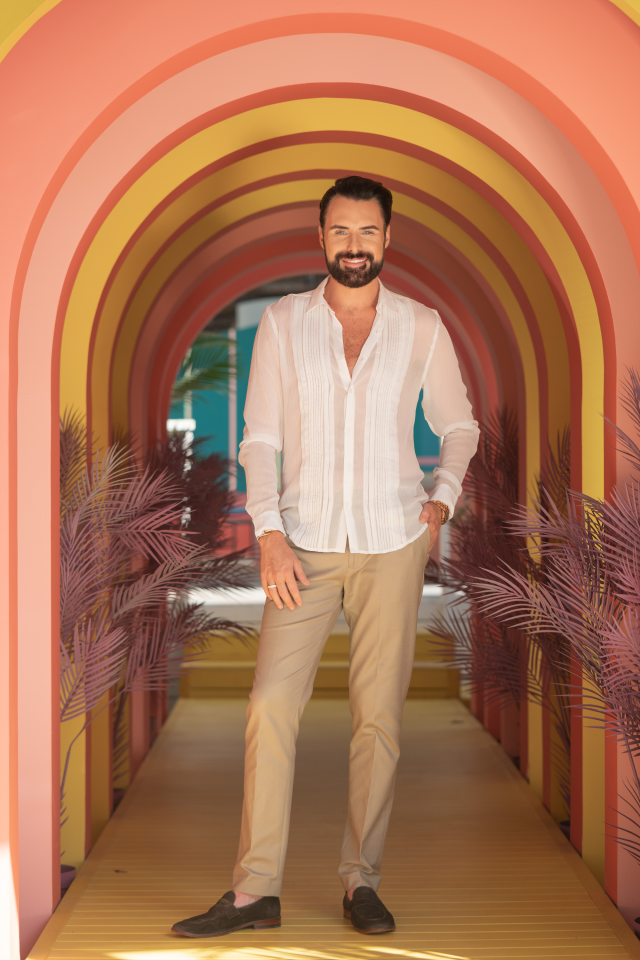
A Live TV Moment That Shook a Nation
“We cannot stay silent while the world turns blind,” Joanna Lumley said, her gaze locked on the camera as if speaking directly to every home in Britain. “I’ve held polar bears as the ice melted beneath them. I’ve watched children in Bangladesh lose their homes to water that used to be miles away. And here we sit, smiling, pretending a soundbite will fix it. It won’t. We’re complicit. All of us.”
The studio lights suddenly felt harsh, intrusive. Alex Jones moved to redirect the conversation, but Rylan Clark acted first.
He didn’t speak immediately. He grasped Joanna’s hand, knuckles white. When his words came, they cracked with emotion:
“Someone had to say it,” he whispered, tears streaking his face. “Even if it costs everything. My nan lost her house in the ’23 floods. She’s 82. All she has left is a caravan and a photo album. And every time another politician promises ‘net zero by 2050,’ I want to scream. Because 2050 is too late for her. Too late for all of us.”
The audience gasped — not politely, but sharply, collectively, as if the country itself had been spoken to aloud. For thirty seconds, no one moved. Then Joanna cupped his face like a mother and said softly, but fiercely:
“You beautiful boy. You’re not alone. None of us are. But silence? That’s the real crime.”
In the control room, red lights flashed and producers froze. The show should have cut to a break, but the director held the shot. Live. Unfiltered. Unforgivable, some would later call it.
Within ninety seconds, #SomeoneHadToSayIt was trending worldwide. Clips bounced across TikTok, WhatsApp, and pub TVs. A 14-year-old in Leeds recorded: “Joanna Lumley just said what my science teacher can’t.” A pensioner in Devon filmed himself weeping in his armchair: “Finally. Someone with a platform who isn’t afraid.”
By 8 p.m., Ofcom was swamped. Complaints poured in about political bias, emotional excess, and ruining family viewing. But praise came tenfold. Celebrities responded within minutes: David Attenborough, voice shaking, called it “the most important 90 seconds of television this decade.” Greta Thunberg quote-tweeted with a single word: Respect.
Back in the studio, the segment closed not with apologies but with action. Rylan, wiping tears with his sleeve, addressed the audience:
“If you’re angry, good. Do something. Text FLOOD to 70707. Donate. March. Scream. Just don’t stay quiet.”
Joanna nodded, regal amid chaos:
“We’ve entertained you for years. Tonight, we’re asking you to save yourselves.”
The credits rolled over a frozen frame of their clasped hands.
The aftermath was swift. BBC executives issued a cautious statement about editorial standards while scrambling behind the scenes. Rylan was off-air for 48 hours — officially “resting” — though his 3 a.m. Instagram Story showed him on the Thames embankment: still shaking. Joanna, unbowed, shared a dawn video from her garden: “I’m too old for permission. The planet isn’t.”
By morning, the clip had 42 million views. A GoFundMe linked in Rylan’s plea had raised £1.2 million. School strikes were organized. MPs announced emergency debates. Across the UK, families weren’t discussing the weather — they were discussing what comes next.
This was more than television. It was a mirror. Joanna and Rylan didn’t break the fourth wall — they shattered it. And in the debris, Britain saw itself: grieving, furious, and finally awake.
No one had dared speak like this before.