WWII Veteran, 100, Questions If Britain’s Sacrifice Was Worth It
A centenarian war hero stunned the hosts of Good Morning Britain today by saying that winning World War II “wasn’t worth it” given the state of the UK today.
Alec Penstone told Adil Ray and Kate Garraway how, as soon as he came of age, he left his factory job to join the Royal Navy and fight for his country. He recalled serving alongside close friends, many of whom lost their lives, calling himself “just a lucky one” for having survived.
When asked by Garraway what Remembrance Sunday meant to him, Penstone admitted that seeing the country today made him question whether the sacrifices of his generation had truly mattered.
His concerns mirror a wider sentiment among Britons. A new survey reveals that national pride has fallen sharply and society is perceived as increasingly divided under Sir Keir Starmer. Eight in ten respondents said they felt the nation was divided — a rise of five points from two years ago and ten points since 2020.
Former Tory minister Michael Gove weighed in on the findings, attributing part of the division to “mass immigration,” while the poll also highlighted that Reform Party voters were the most worried about the cultural state of the nation — a sign that Nigel Farage’s party could gain influence in upcoming elections.
The survey also found that half of the public believe Britain’s culture is changing too quickly, up from a third just two years ago, underscoring a growing unease about the country’s future direction.
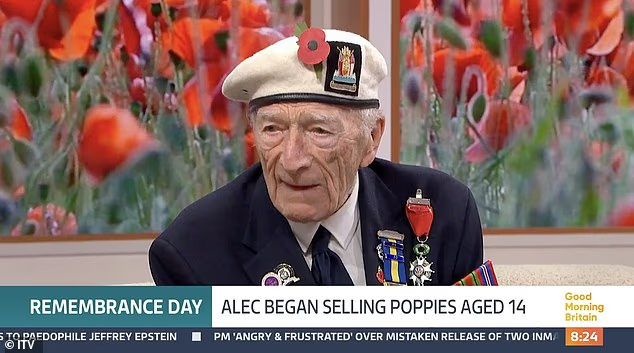
WWII Veteran Alec Penstone Questions If Britain’s Sacrifice Was Worth It
World War II veteran Alec Penstone left viewers and hosts of Good Morning Britain stunned when he admitted that winning the war “wasn’t worth it” given the state of Britain today.
Penstone told Adil Ray and Kate Garraway how, as soon as he came of age, he quit his factory job to join the Royal Navy and fight for his country. Reflecting on the hundreds of friends who gave their lives, he said:
“I can see in my mind’s eye those rows and rows of white stones… for what? The country of today? No, I’m sorry — the sacrifice wasn’t worth the result of what it is now.”
Asked to clarify, he added:
“What we fought for was our freedom, but now it’s a darn sight worse than when I fought for it.”
He did not elaborate on specific reasons for Britain’s decline, leaving the moment poignant and open-ended. Garraway sought to console him:
“Alec, I’m sorry you feel like that. All the generations since, including me and my children, are so grateful for your bravery. It’s our job now to make the country the one you fought for, and we will do.”
Reassured, Penstone responded warmly:
“It’s wonderful to know there are people like you spreading the word to the younger generations.”
Meanwhile, former Education Secretary Michael Gove linked some of the public’s unease about Britain’s cultural state to mass immigration. Speaking on BBC Radio 4’s Today Programme, he said:
“The rate at which a society changes demographically can be accepted if there’s a sense that the culture people cherish isn’t being challenged. One of the problems with the current pace of migration is not just the numbers, which strain public services, but the feeling that new arrivals are not fully sharing in a common culture. That culture is either being distorted or fragmenting under pressure.”
A new survey conducted by King’s College London and Ipsos, tracking UK cultural trends since 2020, echoed Penstone’s concern. Researchers described the findings as “frightening,” revealing a society that is increasingly divided, polarized, and pessimistic. The study also highlighted growing public dissatisfaction with Labour, suggesting that wavering positions on issues like trans rights and Net Zero may have intensified feelings of division.
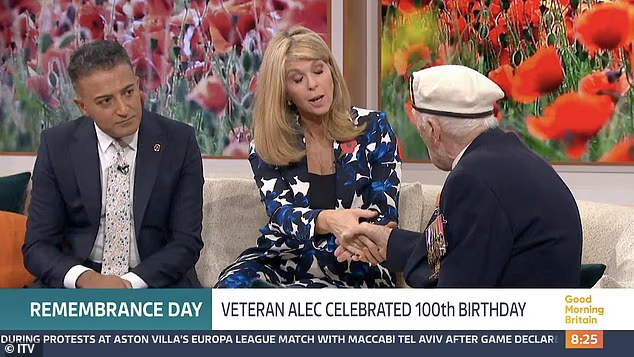
Rising Division and Declining Pride: UK Public Sentiment in Focus
Lord Young of Acton, head of the Free Speech Union, argued that the findings reflected the effects of “Labour’s divisive identity politics.” He claimed that Sir Keir Starmer and his ministers have focused on the rights of minority groups while neglecting the needs of ordinary Britons. According to Lord Young, this so-called two-tier approach, justified as promoting community cohesion, has instead deepened social divisions.
Reform UK MP Lee Anderson echoed these concerns, linking the drop in national pride to systemic failures. “The education system is corrupting our youth, leadership has been weak for decades, and millions can no longer afford a home of their own,” he said. “For patriotism to thrive, Britons need strong leadership and confidence that their government is working for them, not against them.”
Sir John Hayes, chair of the Tory Common Sense Group, criticized the current government for lacking a clear purpose. “People feel adrift because the Government doesn’t seem to know which direction to take the country in,” he said. “The absence of a plan doesn’t inspire confidence. Ideological multiculturalism encouraged people to live in isolation, and now we see a fragmented society. We need to rebuild a shared sense of Britishness.”
The survey itself paints a stark picture. Nearly half of respondents (48 per cent) said they would like Britain to “be the way it used to be,” up from 28 per cent in 2020. Nostalgia increased across every age group, including 16 to 24-year-olds, of whom almost a third expressed a desire to return to the past — up from 16 per cent. Among those over 55, the figure surged from 34 per cent to 62 per cent.
National pride has also fallen sharply, with less than half of respondents (46 per cent) now saying they feel proud of their country — a drop of ten points since 2020. The most significant decline was seen among 16 to 24-year-olds (from 47 per cent to 29 per cent), followed by 35 to 54-year-olds (54 per cent to 43 per cent).
The study found rising tensions between immigrants and UK-born citizens, with 86 per cent of respondents believing these tensions have increased, up from 74 per cent two years ago. Nearly seven in ten participants cited “culture wars” as a key driver of division, a sharp increase from less than half (46 per cent) in 2020.
Cultural Debate Over Poppies Sparks Public Discussion
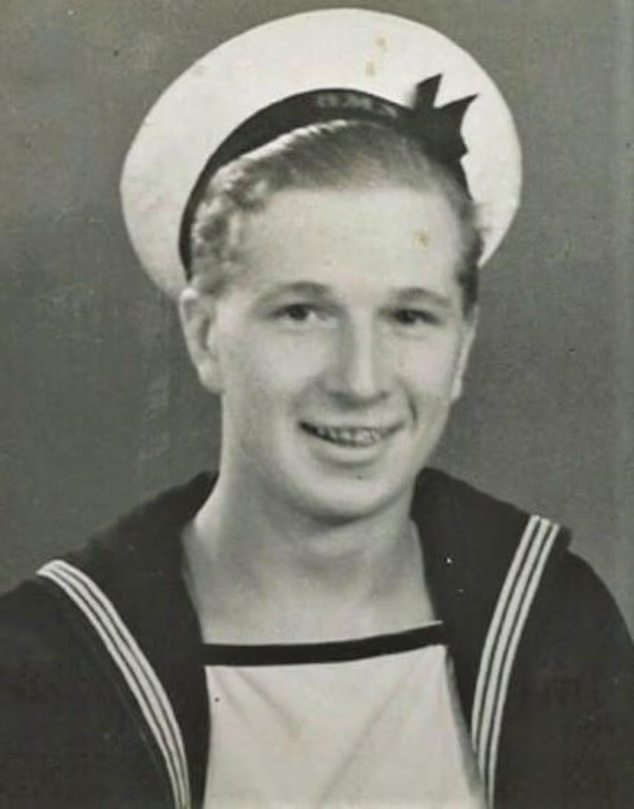
Alec Penstone, pictured in 1945 while stationed in Hong Kong, has recently become a focal point in broader conversations about national remembrance and public attitudes toward veterans.
In recent weeks, some ITV presenters have drawn attention for choosing not to wear poppies on air, sparking debate among viewers. Among them was journalist Kevin Maguire, who appeared on Good Morning Britain on October 29 without a poppy. While he did not comment directly on that day, Maguire has previously explained that he usually waits until the week before Remembrance Sunday to wear one.
Loose Women host Charlene White also addressed her choice not to wear a poppy on screen, stressing that it was made to avoid appearing to endorse a specific charity. She said:
“I support the Royal British Legion, I donate to its work, I believe in what they do, and I wear a poppy off screen. But I also respect broadcasting impartiality rules regarding charities.”
White added:
“You may not agree with my choice, and I don’t expect everyone to, but disagreement doesn’t justify abuse.”
She also highlighted her personal connection to the armed forces: her Jamaican father served in the RAF, and she remains passionate about honouring the service and sacrifices of veterans.