The British actress Pauline Collins once faced an unimaginable crossroads forced to give up her first child for adoption while she was a struggling 22-year-old trying to build an acting career in Ireland.
She later described the experience as “the most awful thing I’ll ever do,” a decision that stayed with her for decades until an eventual reunion finally brought her a measure of healing.
In her heartfelt autobiography A Letter to Louise, Collins shared how she became pregnant in her early twenties but, overwhelmed by financial hardship and the fear of social stigma, felt adoption was the only option. “I had her adopted when she was six weeks old,” she recalled.
“It was the most awful thing ever to do. It broke my heart like having a piece of your heart torn away.”
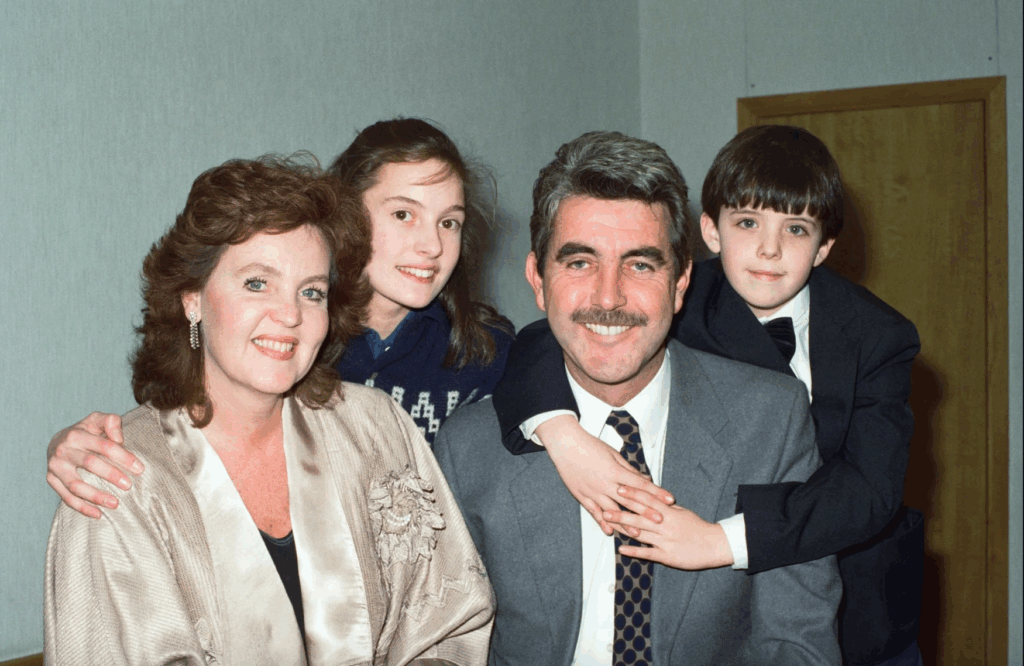
Her choice was deeply influenced by her strict Catholic upbringing and her parents’ positions as teachers. Reflecting on that difficult time, she said, “I thought my reasons were good. My parents were devout Catholics, and I hadn’t a penny to my name. I believed adoption would offer her a better life.”
Years later, Collins found fame in the 1970s with her breakthrough role as Sarah, the maid, in Upstairs, Downstairs, and went on to earn international acclaim for Shirley Valentine, receiving numerous award nominations. Yet, despite her success, the memory of the daughter she gave up never left her thoughts.
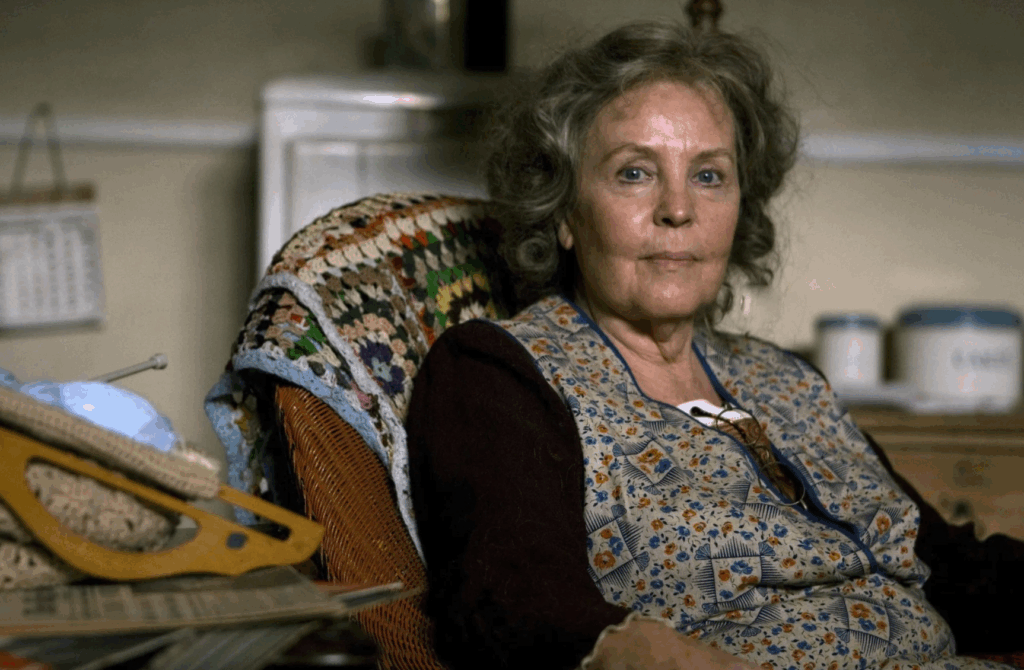
Two decades later, an unexpected letter arrived sent by Louise herself. Collins recalled, “I always felt we would meet again. When I opened her letter, I was overjoyed. I had even dreamt about her three days earlier it felt like fate.”
Her children with actor John Alderton Nicholas, Kate, and Richard embraced Louise warmly, completing the family she had always hoped to reconnect with.
Collins later reflected on her life with Alderton in their long-time Hampstead home, cherishing over five decades together. Her moving memoir remains one of the most poignant stories in British entertainment a powerful account of a mother’s love, heartbreak, and eventual healing.