The couple stepped down from their royal roles in 2020.
Prince Harry and Meghan Markle made headlines in early 2020 when they left the UK for a new life in America.
With the country’s unofficial motto of ‘land of liberty,’ the Sussexes liberated themselves from royal duty and embraced a life of private enterprise.
Five years later, it seems neither Harry nor Meghan regrets the move, but it’s less clear how their ‘Americanisation’ has impacted Archie and Lilibet.
Prince Archie was born in the UK on May 6, 2018, but has lived mostly in California. His sister, Princess Lilibet, was born there on June 4, 2021, and has spent her whole life in California.
They live in a luxurious £11 million mansion in Montecito, which includes a swimming pool and a chicken coop. This is very different from their father, Prince Harry’s childhood in royal homes like Kensington Palace and Highgrove House in the UK.
Their lifestyle also stands in contrast to their cousins—Prince George, Princess Charlotte, and Prince Louis—who haven’t had the same level of privacy.

One of the key reasons the Duke and Duchess of Sussex moved to the U.S. was to give Archie and Lilibet a more “normal” upbringing.
Meghan explained in an interview with The Cut that she would have struggled with doing everyday things like school drop-offs if surrounded by 40 photographers.
However, as Archie and Lilibet grow up and begin living more publicly, protecting their privacy will likely become harder. Unlike traditional royal children, who are gradually exposed to media attention from birth, Archie and Lilibet have been largely shielded.
This raises the question of whether they’ll be prepared for the intense public interest that may come their way as they get older.
A steep learning curve
Child psychologist Dr. Anu Sayal-Bennett told HELLO! that Archie and Lilibet may face challenges adjusting to life in the public eye. “They’re going to have to learn to be around other people, and they’re going to have their L plates on,” she said—referring to the “learner” plates used by new drivers.
She explained that this transition could be a real shock to their system, as children develop social skills through trial and error and consistent exposure. “We survive better when we’re in a group,” she added, highlighting the importance of social interaction in building resilience and emotional strength.
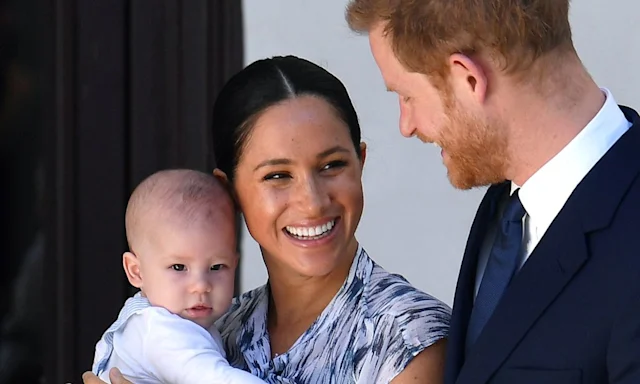
Dr. Anu Sayal-Bennett also emphasized the emotional weight of growing up in the public eye, saying, “Under the spotlight is not a great place to be for any human being.” For parents trying to protect their children, this creates real challenges—“Who are you going to play with? Who are you even going to trust? What kind of artificial world are you going to be living in?”
She noted how overwhelming it can be when “every movement you make, every statement, every piece of clothing you wear, is going to be scrutinised and transmitted in one nanosecond.” It’s a heavy burden for anyone, let alone children who have so far been largely shielded from the public gaze.
The Privacy Paradox
The intense public scrutiny that comes with fame can ironically lead to feelings of isolation, especially for children. While the intention is to protect them, this heightened level of attention can create a sense of alienation.
Prince Harry himself reflected on this in a conversation with Canadian physician Dr. Gabor Maté, saying he “always felt slightly different” from the rest of his family. He described it as living in a kind of emotional “bubble,” disconnected from the world around him—highlighting how even within a high-profile family, one can feel deeply alone.
Dr. Anu Sayal-Bennett emphasized just how difficult this kind of isolated upbringing can be. “When you live in a bubble of reality that alienates you from the rest of the world, you are going to feel different,” she said.
She raised an important question: “Where are you going to get your sense of belonging?” Without regular interaction and connection with others in the wider world, children may struggle to find their place. “I think it’s going to be very hard,” she concluded, underlining the emotional and social challenges Archie and Lilibet could face as they grow up in such an unusual environment.
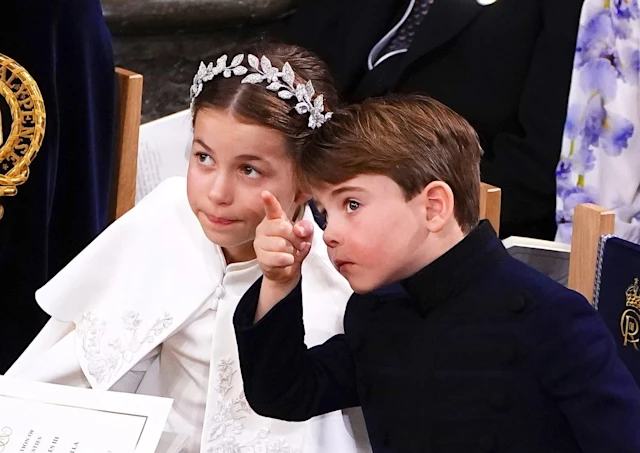
Rules of Engagement
In contrast to Prince Harry, who has spoken about feeling like an outsider, his brother Prince William seems to have found a sense of belonging within the royal family.
Dr. Anu Sayal-Bennett suggests that this stability may also benefit William’s children, who follow a more structured and clearly defined path. “Maybe they do have a bit more sense of belonging. They know what the rules are,” she noted.
Although their lives come with fewer personal freedoms, the Prince and Princess of Wales make an effort to give their children a relatively normal upbringing.
“They go to fairly ordinary schools, mix with other kids, they have a family life and are kept out of the spotlight as much as possible,” Dr. Anu explained. She also pointed out Princess Catherine’s strong interest in early childhood development and parenting.
Importantly, Dr. Anu highlighted a key difference in the two families: “It’s going to be easier for them because they’re connected.” In contrast, Archie and Lilibet are more isolated from the extended royal family.
“And I think that’s a loss they will have to negotiate,” she added, underlining the emotional complexity the Sussex children may face as they grow up apart from their royal roots.
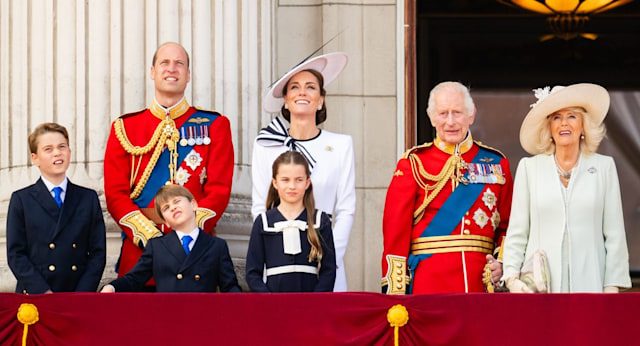
If isolation is the biggest challenge Archie and Lilibet face, it may be a price worth paying for the freedom to shape their own futures. Unlike other royal children around the world who grow up with the expectation of royal duties and possibly even the Crown Archie and Lilibet won’t face those pressures unless they choose to take on a role in the monarchy themselves.
They also stand to gain from their parents’ mixed cultural backgrounds. As Dr. Anu Sayal-Bennett points out, “It’s nice if we can give kids different role models and different choices, so that they have a bigger, wider repertoire.”
But above all else, Dr. Anu believes the most crucial factor in their well-being is parental intent. “They are just kids, and the most important thing is that all the adults around them keep their best interests at heart,” she said. She stressed how significant the early years are, since children learn about life primarily through their parents and that becomes their version of normal.
Meghan shares a similar view. On her Archetypes podcast, she reflected on motherhood, saying, “It is so much work to be a mom when you are just trying to be a conscious parent to raise good, kind human beings. And to do that solo is the most impressive, admirable thing on the planet.”
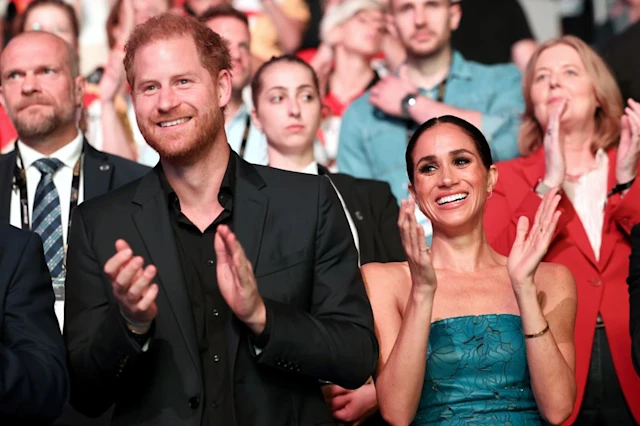
Prince Harry shares Meghan’s commitment to intentional parenting. In his conversation with Dr. Gabor Maté, he expressed how important it is to him to give Archie and Lilibet a nurturing, emotionally supportive upbringing. “I’m making sure that I smother [Archie and Lilibet] with love and affection,” he said.
He also acknowledged the responsibility he feels as a father to break the cycle of past pain. “As a father, I feel a huge responsibility to ensure that I don’t pass on any traumas or… negative experiences that I’ve had as a kid,” Harry explained.
He emphasized that this requires ongoing effort—“putting in the work,” being mindful every day of how he behaves and reacts around his children, so that they grow up in a healthier emotional environment than he did.
Once a Royal…
No matter how much love and care Archie and Lilibet receive from their parents, they can’t escape the reality that, as children of royalty, they will always attract intense public attention—something usually reserved only for royal heirs.
Unlike Prince George, Princess Charlotte, and Prince Louis, who are being raised within the structured framework of royal life and trained for it from a young age, Archie and Lilibet won’t have that same preparation. How they’ll handle the spotlight without it remains to be seen—and the world will be watching to find out.